


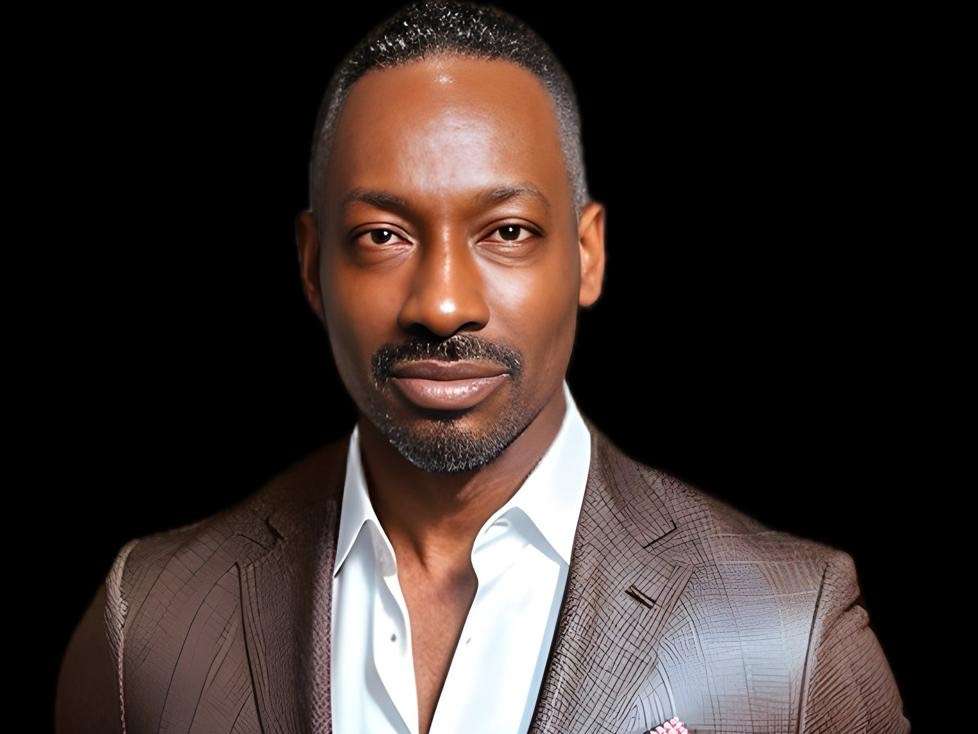
Interview by Ruby Watson
We perform confidence constantly. We ask for someone’s number with a perfected smile and hide shaking hands around a glass. We walk into a board meeting with a presentation made by our assistant and recite the slides boastfully, eyes darting around the room to see if we’ve been caught yet. We step in front of a canvas and pick up a brush like we know we’re supposed to do, and tentatively apply the lightest stroke possible. “Fake it till you make it,” is a kind of mantra for many people. But are you really confident? How do you know?







Author of The 11 Pillars of Confidence: Build & Lead an Empowered YOU, Arthur J. Rutledge defines confidence as a frequency. He explains, “for confidence, you have to be able to lean into your courage. You have to lean into the power of love and knowing where we are all meant to be. The experiment intensifies when we are willing, and make ourselves capable, because we are capable.” Rutledge pushes conventional understandings of confidence to include foundational self love, and at its best, self esteem. His company, Vertical Mindset Group, emphasizes being “lovingly kind to ourselves during the journey to find this high frequency of confidence. I call that vertical mindset.”
Rutledge published his book in August of 2024, but his journey as an entrepreneur started at age ten when he decided he wanted to open his own business after an inspiring field trip with his school’s principal. Rutledge explained that watching his mother’s work ethic inspired his own sense of drive. When he found out that he could be his own boss, he was thrilled by the freedom. In his second year of college, at age 19, Rutledge’s Minister helped him start his own model referral agency. Rutledge later dropped out, explaining that “I would have been the first one in my family to finish college, but I wasn’t doing it for me. I found that I was doing it for them, I was doing it for the outside. I was doing it because that’s what the societal norm is.” But his inner child wanted nothing more than to be an entrepreneur.
After leaving school, Rutledge went on to have major success in the modeling industry. However, Rutledge learned that there is no explicit correlation between success and confidence. In other words, being successful does not inherently inspire deeply rooted confidence. Having internal confidence means that “we always get to step back to take care of ourselves. Take a deep breath and say, I forgive you. We always get to give ourselves a loving hug when we feel that we’ve missed a mark because we will always miss the mark.” To have true confidence means recognizing that mistakes are valuable and perfectionism isn’t the goal.
The realization and acceptance of his commitment to these beliefs led him to his mission of mindset, leadership, speaking, coaching individuals and ultimately, writing The 11 Pillars of Confidence. As he wrote, he also embraced the importance of internal validation, taking action for yourself, and “being able to accept the things that are meant for you. Because first of all, you’re a beautiful soul. And you, yes, you, deserve it. If you put the effort in, you’re gonna reap the result. That’s a universal law.”
Another universal law for Rutledge is a guiding power, which he calls God, that aids in one’s journey through life. Rutledge has been on a journey of confidence his entire life. From realizing that he wanted to be his own boss, to having the bravery to leave school, to then gaining an entirely different perspective through modeling that taught him the difference between surface level confidence and self work.
Rutlege’s first book was the accumulation of a lifetime of teaching and learning confidence, and his work is not done. In September, his next book, The Pillars of Belief will be released, an anthology with 32 contributors. Also in the works is a book on discipline, two courses on becoming an author, and one on confidence, and lastly, is a speaker and author series.
As Rutledge continues to generate work to empower others, he also shares his faith in humanity’s ability to master the art of confidence explaining, “We are all on the same playing field whether people think so or not, because we are all flesh and bone. Human beings are great, but being humane is extraordinary. That leads you to the riches that lead to the other riches in a way that is going to empower the world, not just ourselves.”